-
Table of Contents
«Boost your red blood cells with the power of vitamins!»
Introduction
Vitaminas y aumento de glóbulos rojos son dos conceptos que están estrechamente relacionados en el cuerpo humano. Los glóbulos rojos, también conocidos como eritrocitos, son células sanguíneas encargadas de transportar oxígeno a todas las células del cuerpo. Por otro lado, las vitaminas son nutrientes esenciales que el cuerpo necesita para funcionar correctamente. En este sentido, ciertas vitaminas juegan un papel importante en la producción y mantenimiento de los glóbulos rojos, lo que puede tener un impacto significativo en la salud y bienestar general de una persona. En este artículo, exploraremos la relación entre las vitaminas y el aumento de glóbulos rojos y cómo una deficiencia de vitaminas puede afectar la producción de estas células sanguíneas vitales.
The Importance of Vitamin B12 for Red Blood Cell Production
Vitamin B12, also known as cobalamin, is a crucial nutrient for the human body. It plays a vital role in the production of red blood cells, which are responsible for carrying oxygen to all the cells in our body. Without enough vitamin B12, our body cannot produce enough red blood cells, leading to a condition called anemia. In this article, we will explore the importance of vitamin B12 for red blood cell production and how a deficiency in this vitamin can affect our health.
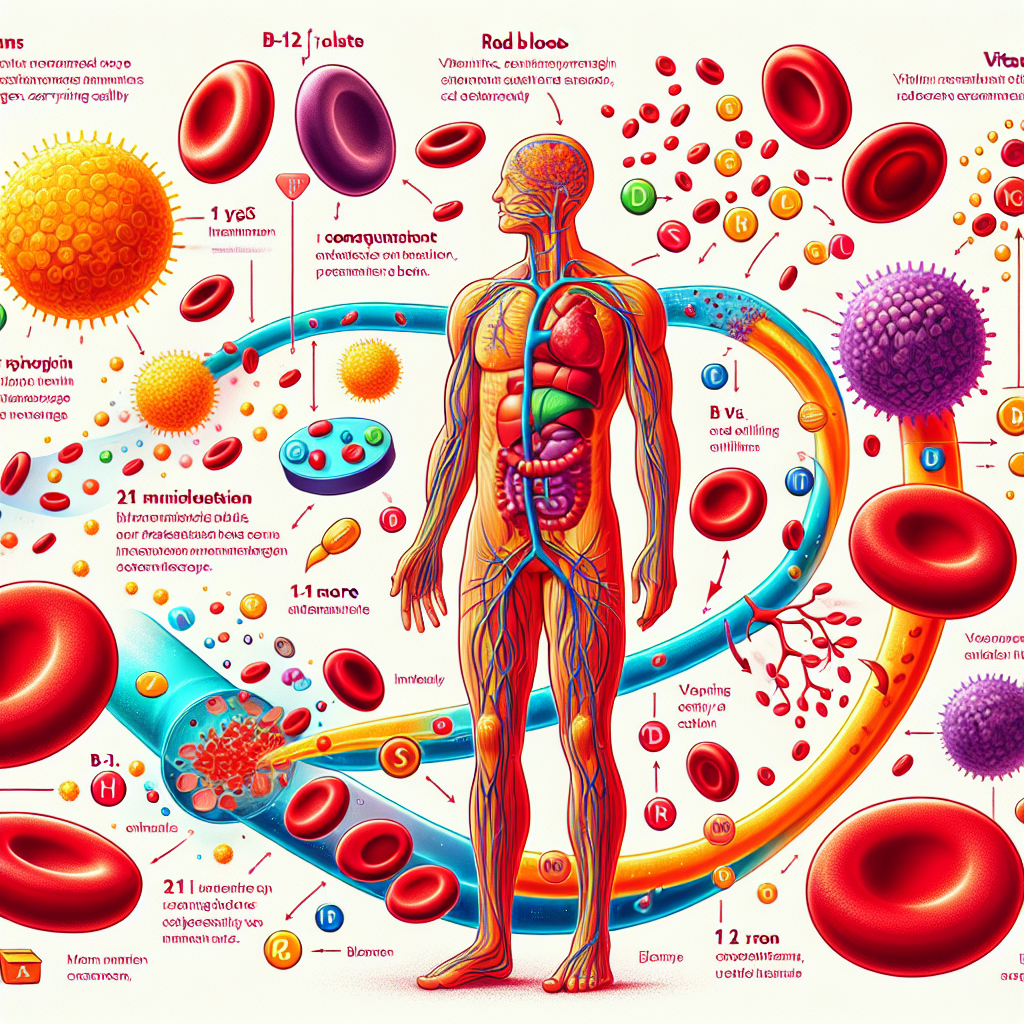
Firstly, let’s understand the process of red blood cell production. Red blood cells are produced in the bone marrow, the spongy tissue inside our bones. This process is called erythropoiesis and requires several nutrients, including iron, folate, and vitamin B12. Vitamin B12 is essential for the maturation of red blood cells. It helps in the synthesis of DNA, the genetic material that carries instructions for cell growth and division. Without enough vitamin B12, the red blood cells cannot mature properly, leading to a decreased number of healthy red blood cells.
A deficiency in vitamin B12 can lead to a condition called megaloblastic anemia, where the red blood cells are larger than normal and cannot function effectively. This type of anemia is characterized by symptoms such as fatigue, weakness, shortness of breath, and pale skin. These symptoms occur because the body is not getting enough oxygen due to a decrease in the number of red blood cells. If left untreated, megaloblastic anemia can lead to serious complications such as heart problems and nerve damage.
Apart from its role in red blood cell production, vitamin B12 also plays a crucial role in maintaining the health of our nervous system. It helps in the production of myelin, a fatty substance that surrounds and protects nerve cells. Myelin is essential for the proper functioning of the nervous system, and a deficiency in vitamin B12 can lead to nerve damage and neurological problems. In severe cases, it can even lead to irreversible nerve damage.
Now, let’s discuss how we can ensure an adequate intake of vitamin B12 to support red blood cell production. The primary source of vitamin B12 is animal-based foods such as meat, fish, eggs, and dairy products. Vegetarians and vegans are at a higher risk of developing a deficiency as plant-based foods do not contain enough vitamin B12. In such cases, it is essential to include fortified foods or supplements in the diet to meet the daily requirement of this vitamin.
Another factor that can affect the absorption of vitamin B12 is age. As we age, our body’s ability to absorb this vitamin decreases. This is because the stomach produces less acid, which is necessary for the absorption of vitamin B12. Therefore, older adults are advised to take vitamin B12 supplements or consume fortified foods to meet their daily requirement.
In conclusion, vitamin B12 is a crucial nutrient for the production of red blood cells. A deficiency in this vitamin can lead to megaloblastic anemia and other serious health complications. It is essential to include animal-based foods or fortified foods in our diet to ensure an adequate intake of vitamin B12. Older adults and vegetarians/vegans should pay extra attention to their vitamin B12 intake and consider taking supplements if necessary. By understanding the importance of vitamin B12 for red blood cell production, we can take the necessary steps to maintain our overall health and well-being.
How Vitamin C Can Help Boost Red Blood Cell Count
Vitamin C, also known as ascorbic acid, is a vital nutrient that plays a crucial role in maintaining our overall health. It is well-known for its immune-boosting properties and its ability to fight off colds and flu. However, what many people may not know is that vitamin C also plays a significant role in increasing red blood cell count.
Red blood cells, also known as erythrocytes, are responsible for carrying oxygen throughout the body. They are produced in the bone marrow and have a lifespan of about 120 days. A deficiency in red blood cells can lead to anemia, a condition where the body does not have enough healthy red blood cells to carry oxygen to its tissues. This can result in symptoms such as fatigue, weakness, and shortness of breath.
One of the main ways vitamin C helps boost red blood cell count is by aiding in the absorption of iron. Iron is an essential mineral that is necessary for the production of hemoglobin, a protein found in red blood cells that carries oxygen. Without enough iron, the body cannot produce enough hemoglobin, leading to a decrease in red blood cell count. Vitamin C helps convert iron into a form that is easier for the body to absorb, thus increasing the amount of iron available for red blood cell production.
Moreover, vitamin C also plays a crucial role in the production of collagen, a protein that is essential for the formation of new red blood cells. Collagen is a structural protein that helps maintain the integrity of blood vessels, including those in the bone marrow where red blood cells are produced. Without enough collagen, the bone marrow may not be able to produce an adequate number of red blood cells, leading to a decrease in red blood cell count.
In addition to aiding in the production of red blood cells, vitamin C also helps protect them from damage. Red blood cells are constantly exposed to oxidative stress, which can damage their cell membranes and decrease their lifespan. Vitamin C is a powerful antioxidant that helps neutralize free radicals, protecting red blood cells from oxidative damage and prolonging their lifespan.
Furthermore, vitamin C also plays a role in the maturation of red blood cells. Immature red blood cells, known as reticulocytes, need vitamin C to mature into fully functional red blood cells. Without enough vitamin C, these cells may not mature properly, leading to a decrease in red blood cell count.
It is essential to note that while vitamin C can help boost red blood cell count, it is not a cure for anemia. Anemia can have various underlying causes, such as iron deficiency, vitamin B12 deficiency, or chronic diseases. Therefore, it is crucial to consult a healthcare professional for proper diagnosis and treatment.
So, how much vitamin C do we need to help boost red blood cell count? The recommended daily intake of vitamin C for adults is 75-90 mg per day. However, for individuals with anemia or those at risk of anemia, such as pregnant women, smokers, and individuals with chronic diseases, a higher intake may be necessary. It is always best to consult a healthcare professional for personalized recommendations.
In conclusion, vitamin C plays a vital role in increasing red blood cell count. It aids in the absorption of iron, helps produce collagen, protects red blood cells from damage, and promotes their maturation. However, it is essential to maintain a balanced and healthy diet to ensure an adequate intake of all essential nutrients. Vitamin C-rich foods include citrus fruits, berries, kiwi, broccoli, and bell peppers. By incorporating these foods into our diet, we can help boost our red blood cell count and maintain optimal health.
Vitamin D Deficiency and Its Impact on Red Blood Cells
Vitamin D is an essential nutrient that plays a crucial role in maintaining overall health and well-being. It is well known for its role in bone health, but its benefits go far beyond that. Recent studies have shown that vitamin D deficiency can also have a significant impact on red blood cells, leading to a condition known as anemia.
Anemia is a condition in which the body does not have enough healthy red blood cells to carry oxygen to the tissues. This can result in symptoms such as fatigue, weakness, and shortness of breath. While there are various causes of anemia, vitamin D deficiency is emerging as a significant contributor.
One of the primary functions of vitamin D is to help the body absorb calcium and maintain strong bones. However, it also plays a crucial role in the production of red blood cells. Vitamin D helps the bone marrow produce a hormone called erythropoietin, which stimulates the production of red blood cells. Without enough vitamin D, the body may not produce enough erythropoietin, leading to a decrease in red blood cell production.
Several studies have shown a strong correlation between vitamin D deficiency and anemia. In a study conducted on 1,500 women, those with low levels of vitamin D were found to have a higher risk of anemia. Another study on 1,200 men also showed a similar association between vitamin D deficiency and anemia. These findings suggest that maintaining adequate levels of vitamin D is crucial for the production of red blood cells.
Furthermore, vitamin D deficiency has been linked to a specific type of anemia known as anemia of chronic disease. This type of anemia is commonly seen in individuals with chronic conditions such as kidney disease, cancer, and autoimmune disorders. Vitamin D deficiency can worsen this type of anemia by reducing the production of red blood cells and impairing their ability to carry oxygen.
In addition to its role in red blood cell production, vitamin D also plays a crucial role in the immune system. It helps regulate the production of white blood cells, which are responsible for fighting off infections and diseases. When the body is deficient in vitamin D, the immune system may become compromised, making individuals more susceptible to infections. This can lead to chronic inflammation, which can contribute to anemia.
Moreover, vitamin D deficiency has been linked to other conditions that can indirectly affect red blood cells. For instance, individuals with low levels of vitamin D are at a higher risk of developing cardiovascular diseases such as heart failure and stroke. These conditions can lead to anemia by reducing the supply of oxygen to the tissues.
So, what can be done to prevent vitamin D deficiency and its impact on red blood cells? The most effective way is to ensure adequate intake of vitamin D through diet and supplements. Foods rich in vitamin D include fatty fish, egg yolks, and fortified dairy products. However, it can be challenging to get enough vitamin D through diet alone, especially for individuals living in areas with limited sunlight.
Therefore, it is recommended to take vitamin D supplements to maintain adequate levels in the body. The recommended daily intake of vitamin D for adults is 600-800 IU, but this may vary depending on individual factors such as age, health status, and sun exposure.
In conclusion, vitamin D deficiency can have a significant impact on red blood cells, leading to anemia and other related conditions. It is essential to maintain adequate levels of vitamin D through diet and supplements to support the production of red blood cells and maintain overall health. If you suspect you may have a vitamin D deficiency, consult your healthcare provider for proper testing and treatment. Remember, prevention is always better than cure.
Q&A
1) ¿Qué son las vitaminas y cómo pueden ayudar a aumentar los glóbulos rojos?
Las vitaminas son nutrientes esenciales para el correcto funcionamiento del cuerpo humano. Algunas vitaminas, como la vitamina B12 y el ácido fólico, son necesarias para la producción de glóbulos rojos en la médula ósea. Por lo tanto, una deficiencia de estas vitaminas puede afectar la producción de glóbulos rojos y llevar a una disminución en su cantidad.
2) ¿Qué alimentos son ricos en vitaminas que pueden ayudar a aumentar los glóbulos rojos?
Algunos alimentos ricos en vitamina B12 son carnes, pescados, huevos y lácteos. Para obtener ácido fólico, se pueden consumir verduras de hoja verde, legumbres y cereales fortificados. También es importante tener una dieta equilibrada y variada para asegurar la ingesta adecuada de todas las vitaminas necesarias para la producción de glóbulos rojos.
3) ¿Qué otros factores pueden afectar la cantidad de glóbulos rojos en el cuerpo?
Además de la deficiencia de vitaminas, otros factores que pueden afectar la cantidad de glóbulos rojos incluyen enfermedades crónicas, trastornos de la médula ósea, pérdida de sangre, problemas de absorción de nutrientes y ciertos medicamentos. Es importante consultar con un médico si se experimenta una disminución en la cantidad de glóbulos rojos en la sangre.