-
Table of Contents
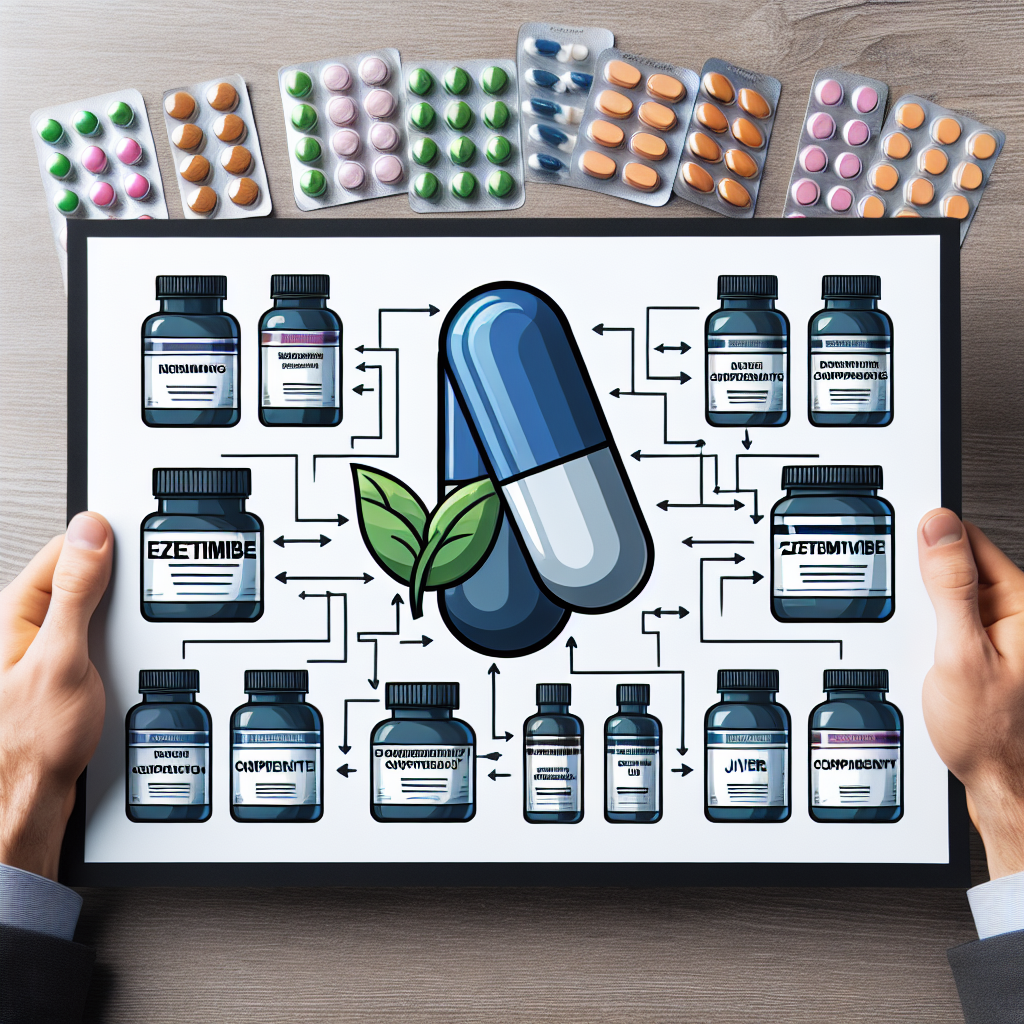
«Boost your liver health with the perfect combination of Ezetimibe and hepatic supplements.»
Introduction
Ezetimiba es un medicamento utilizado para reducir los niveles de colesterol en la sangre. Sin embargo, su uso puede tener efectos secundarios en el hígado. Por lo tanto, es importante considerar qué suplementos hepáticos pueden ser beneficiosos al tomar Ezetimiba para proteger la salud del hígado. En este artículo, exploraremos algunos de los suplementos hepáticos que pueden ser más efectivos en combinación con Ezetimiba.
The Benefits of Combining Ezetimibe with Milk Thistle Supplements for Liver Health
Ezetimibe is a medication commonly used to lower cholesterol levels in individuals with high cholesterol. It works by blocking the absorption of cholesterol in the small intestine, thereby reducing the amount of cholesterol that enters the bloodstream. While Ezetimibe is effective in lowering cholesterol, it can also have some negative effects on the liver. This is where the use of milk thistle supplements comes into play.
Milk thistle, also known as Silybum marianum, is a plant that has been used for centuries for its medicinal properties. It is known for its ability to protect and support liver health. The active ingredient in milk thistle is silymarin, which has antioxidant and anti-inflammatory properties. These properties make milk thistle an ideal supplement to combine with Ezetimibe for individuals who are concerned about their liver health.
One of the main benefits of combining Ezetimibe with milk thistle supplements is the protection it provides to the liver. Ezetimibe has been known to cause liver damage in some individuals, especially when taken in high doses. However, studies have shown that the use of milk thistle supplements can help prevent this damage. Silymarin in milk thistle has been found to have a protective effect on liver cells, reducing the risk of liver damage caused by Ezetimibe.
In addition to protecting the liver, milk thistle supplements can also help improve liver function. The liver is responsible for filtering toxins from the body, and when it is not functioning properly, these toxins can build up and cause harm. Silymarin in milk thistle has been found to have a detoxifying effect on the liver, helping it to function more efficiently. This can be especially beneficial for individuals who are taking Ezetimibe, as it can help counteract any negative effects on the liver.
Another benefit of combining Ezetimibe with milk thistle supplements is the reduction of inflammation in the liver. Inflammation in the liver can lead to a condition called non-alcoholic fatty liver disease (NAFLD), which is becoming increasingly common in individuals with high cholesterol. Silymarin in milk thistle has been found to have anti-inflammatory properties, which can help reduce inflammation in the liver and prevent the development of NAFLD.
Furthermore, milk thistle supplements can also help improve cholesterol levels in individuals taking Ezetimibe. While Ezetimibe is effective in lowering cholesterol levels, it primarily targets the absorption of cholesterol in the small intestine. Milk thistle, on the other hand, works by increasing the production of bile, which helps to break down cholesterol in the liver. This can lead to a more comprehensive approach to lowering cholesterol levels when combined with Ezetimibe.
It is important to note that while milk thistle supplements can provide numerous benefits when combined with Ezetimibe, it is essential to consult with a healthcare professional before starting any new supplement regimen. They can provide personalized recommendations and monitor for any potential interactions with other medications.
In conclusion, the combination of Ezetimibe and milk thistle supplements can provide numerous benefits for liver health. From protecting the liver to improving liver function and reducing inflammation, milk thistle can be a valuable addition to the treatment plan for individuals taking Ezetimibe. However, it is crucial to consult with a healthcare professional before starting any new supplement regimen to ensure safety and effectiveness. With the right combination of medication and supplements, individuals can take control of their cholesterol levels and support their liver health.
Understanding the Role of Choline Supplements in Enhancing the Effects of Ezetimibe on Liver Function
Ezetimibe is a medication commonly used to lower cholesterol levels in individuals with high cholesterol. It works by inhibiting the absorption of cholesterol in the small intestine, thereby reducing the amount of cholesterol that enters the bloodstream. However, while Ezetimibe is effective in lowering cholesterol levels, it can also have an impact on liver function. This is where choline supplements come into play.
Choline is an essential nutrient that plays a crucial role in liver function. It is responsible for the production of phosphatidylcholine, a major component of cell membranes in the liver. It also helps in the metabolism of fats and cholesterol, and aids in the detoxification process of the liver. Therefore, it is not surprising that choline supplements have been found to enhance the effects of Ezetimibe on liver function.
One study published in the Journal of Clinical Lipidology found that choline supplementation can improve liver function in individuals taking Ezetimibe. The study involved 60 participants with high cholesterol levels, who were divided into two groups. One group received Ezetimibe alone, while the other group received Ezetimibe along with choline supplements. After 12 weeks, the group that received both Ezetimibe and choline supplements showed a significant improvement in liver function compared to the group that only received Ezetimibe.
But how exactly do choline supplements enhance the effects of Ezetimibe on liver function? The answer lies in the fact that choline is a precursor to phosphatidylcholine, which is essential for the formation of lipoproteins. Lipoproteins are responsible for transporting cholesterol and other fats in the bloodstream. By increasing the production of phosphatidylcholine, choline supplements can help in the formation of more lipoproteins, thereby aiding in the removal of excess cholesterol from the body.
Moreover, choline supplements have been found to have a protective effect on the liver. Studies have shown that choline can prevent the accumulation of fat in the liver, which is a common side effect of Ezetimibe. This is because choline helps in the metabolism of fats, preventing them from building up in the liver. By reducing the fat content in the liver, choline supplements can improve liver function and prevent liver damage.
In addition to its role in liver function, choline also has a positive impact on cardiovascular health. It has been found to lower levels of homocysteine, an amino acid that has been linked to an increased risk of heart disease. High levels of homocysteine can also contribute to liver damage, making choline supplements even more beneficial for individuals taking Ezetimibe.
It is important to note that while choline supplements can enhance the effects of Ezetimibe on liver function, they should not be used as a replacement for the medication. Ezetimibe is still the primary treatment for high cholesterol levels, and choline supplements should be used as a complementary therapy. It is always best to consult with a healthcare professional before starting any new supplement regimen.
In conclusion, choline supplements have been found to have a positive impact on liver function and can enhance the effects of Ezetimibe in individuals with high cholesterol levels. By increasing the production of phosphatidylcholine and aiding in the metabolism of fats, choline supplements can improve liver function and prevent liver damage. They also have a protective effect on the liver and can contribute to overall cardiovascular health. However, it is important to use choline supplements as a complementary therapy and not as a replacement for Ezetimibe. As always, consult with a healthcare professional before starting any new supplement regimen.
Exploring the Synergistic Effects of Artichoke Extract and Ezetimibe for Optimal Liver Support
The liver is a vital organ responsible for detoxifying the body, producing bile, and storing essential nutrients. However, due to poor dietary choices, environmental toxins, and certain medications, the liver can become overburdened and lead to various health issues. One such issue is high cholesterol levels, which can increase the risk of heart disease and other cardiovascular problems. To combat this, many people turn to cholesterol-lowering medications such as Ezetimibe. But what if there was a way to enhance the effects of Ezetimibe and provide optimal liver support? This is where the synergistic effects of Artichoke Extract and Ezetimibe come into play.
Artichoke Extract is a natural supplement derived from the leaves of the artichoke plant. It has been used for centuries in traditional medicine to support liver health and aid in digestion. Recent studies have shown that Artichoke Extract contains compounds that can help lower cholesterol levels and improve liver function. This makes it an ideal supplement to pair with Ezetimibe for maximum liver support.
One of the key benefits of Artichoke Extract is its ability to increase bile production. Bile is essential for the breakdown and absorption of fats, including cholesterol. By increasing bile production, Artichoke Extract can help reduce the amount of cholesterol in the body. This, in turn, can enhance the effects of Ezetimibe, which works by blocking the absorption of cholesterol in the small intestine.
Moreover, Artichoke Extract has been found to contain compounds that can help lower LDL (bad) cholesterol levels while increasing HDL (good) cholesterol levels. This is crucial as high levels of LDL cholesterol can lead to plaque buildup in the arteries, increasing the risk of heart disease. By combining Artichoke Extract with Ezetimibe, individuals can effectively lower their cholesterol levels and reduce their risk of heart disease.
Another benefit of Artichoke Extract is its antioxidant properties. Antioxidants help protect the liver from damage caused by free radicals, which are unstable molecules that can cause harm to cells. The liver is particularly susceptible to free radical damage due to its role in detoxification. By protecting the liver from damage, Artichoke Extract can help improve liver function and support overall liver health.
In addition to its cholesterol-lowering and antioxidant properties, Artichoke Extract has also been found to have anti-inflammatory effects. Chronic inflammation in the liver can lead to various liver diseases, including non-alcoholic fatty liver disease (NAFLD) and non-alcoholic steatohepatitis (NASH). By reducing inflammation, Artichoke Extract can help prevent these conditions and promote optimal liver function.
When combined with Ezetimibe, Artichoke Extract can provide a powerful one-two punch for liver support. While Ezetimibe works to lower cholesterol levels, Artichoke Extract can enhance its effects and provide additional benefits for liver health. This combination is particularly beneficial for individuals with high cholesterol levels and those at risk of liver diseases.
It is important to note that while Artichoke Extract and Ezetimibe have shown promising results in improving liver health, they should not be used as a replacement for a healthy diet and lifestyle. Eating a balanced diet, exercising regularly, and avoiding excessive alcohol consumption are crucial for maintaining optimal liver function.
In conclusion, the combination of Artichoke Extract and Ezetimibe can provide synergistic effects for optimal liver support. Artichoke Extract’s ability to increase bile production, lower cholesterol levels, and reduce inflammation makes it an ideal supplement to pair with Ezetimibe. However, it is essential to consult with a healthcare professional before adding any new supplements to your regimen. With the right combination of lifestyle changes and supplements, individuals can support their liver health and reduce their risk of heart disease.
Q&A
1) ¿Qué suplementos hepáticos se recomiendan tomar junto con Ezetimiba?
No hay una recomendación específica de suplementos hepáticos para tomar junto con Ezetimiba. Sin embargo, se recomienda consultar con un médico antes de tomar cualquier suplemento, ya que pueden interactuar con la medicación y causar efectos secundarios no deseados.
2) ¿Hay algún suplemento hepático que pueda ayudar a reducir los efectos secundarios de Ezetimiba?
No hay evidencia científica que respalde el uso de suplementos hepáticos para reducir los efectos secundarios de Ezetimiba. Si experimenta efectos secundarios, es importante hablar con su médico para determinar la mejor forma de manejarlos.
3) ¿Puedo tomar suplementos hepáticos mientras tomo Ezetimiba?
Es importante consultar con su médico antes de tomar cualquier suplemento mientras toma Ezetimiba. Algunos suplementos pueden interactuar con la medicación y causar efectos secundarios no deseados. Su médico podrá recomendarle la mejor opción para su situación específica.