
-
Table of Contents
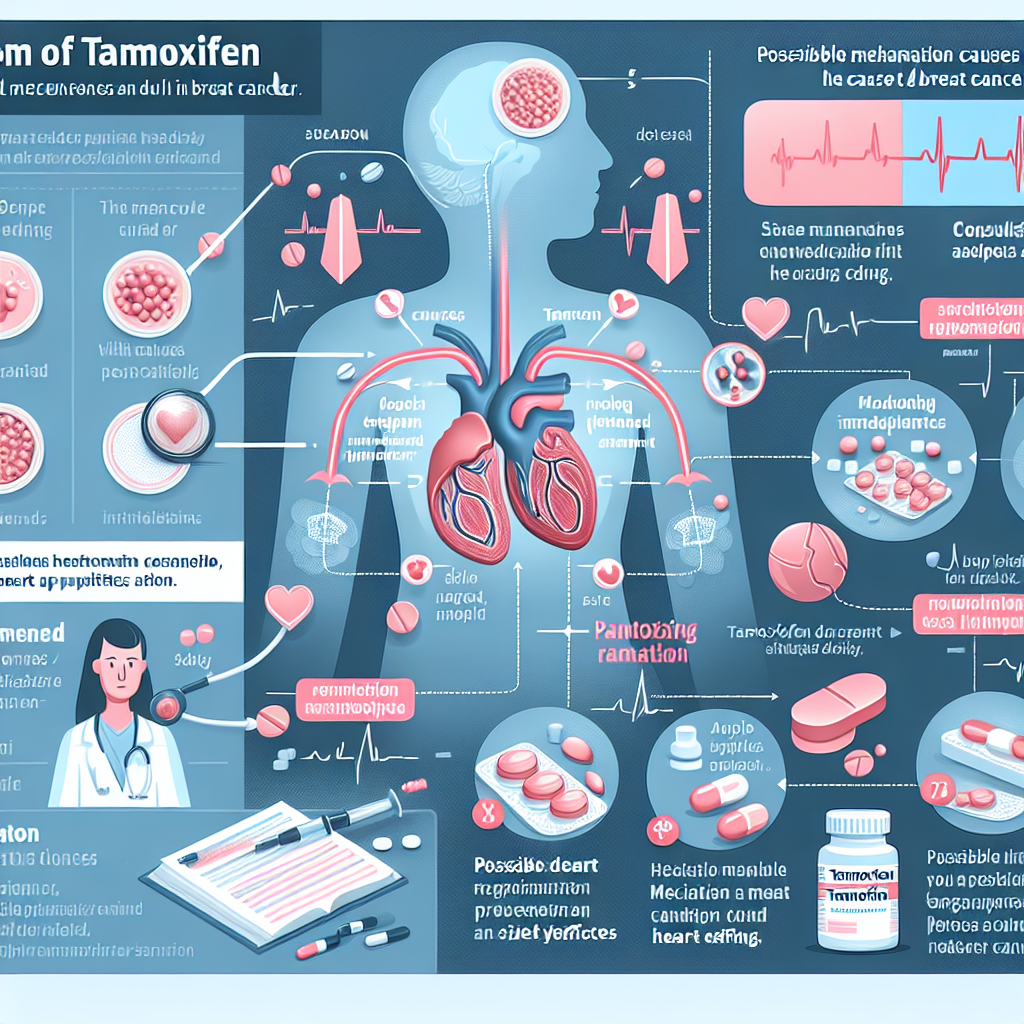
«Stay informed and consult your doctor if experiencing heart palpitations while taking Tamoxifen.»
Introduction
Tamoxifeno es un medicamento comúnmente utilizado en el tratamiento del cáncer de mama y otras afecciones hormonales. Sin embargo, una de las posibles reacciones adversas de este medicamento son las palpitaciones, que pueden ser preocupantes para quienes las experimentan. En este caso, es importante saber cómo manejar esta situación y qué hacer si el Tamoxifeno provoca palpitaciones. A continuación, se presentan algunas recomendaciones y medidas a tomar en cuenta.
Understanding the Side Effects of Tamoxifen: A Guide for Breast Cancer Patients
Tamoxifen is a commonly prescribed medication for breast cancer patients. It is a type of hormone therapy that works by blocking the effects of estrogen in the body, which can help prevent the growth and spread of breast cancer cells. While it is an effective treatment, like any medication, it can also come with side effects. One of the potential side effects of tamoxifen is palpitations, or a rapid or irregular heartbeat. If you are experiencing palpitations while taking tamoxifen, it is important to understand why they may be happening and what steps you can take to manage them.
First and foremost, it is important to note that not all breast cancer patients who take tamoxifen will experience palpitations. In fact, studies have shown that only a small percentage of patients will experience this side effect. However, if you do experience palpitations, it is important to address them with your doctor. They can help determine if the palpitations are related to tamoxifen or if there may be another underlying cause.
One possible reason for palpitations while taking tamoxifen is due to its effect on the heart. Tamoxifen can cause changes in the electrical activity of the heart, which can lead to palpitations. This is more likely to occur in patients who have a history of heart problems or who are taking other medications that can also affect the heart. If you fall into either of these categories, it is important to discuss this with your doctor before starting tamoxifen.
Another potential cause of palpitations while taking tamoxifen is anxiety. Being diagnosed with breast cancer and undergoing treatment can be a stressful and overwhelming experience. This stress and anxiety can manifest in physical symptoms, such as palpitations. If you are experiencing anxiety along with palpitations, it is important to address both issues with your doctor. They may recommend therapy or other coping mechanisms to help manage your anxiety, which in turn may help reduce the palpitations.
In some cases, palpitations may also be a sign of an allergic reaction to tamoxifen. If you experience other symptoms such as difficulty breathing, hives, or swelling, it is important to seek immediate medical attention. Your doctor may need to adjust your medication or switch you to a different type of hormone therapy.
If your doctor determines that your palpitations are related to tamoxifen, there are steps you can take to manage them. First and foremost, it is important to continue taking your medication as prescribed. Stopping or changing your medication without consulting your doctor can have serious consequences for your treatment. Instead, your doctor may recommend adjusting the dosage or switching to a different medication.
In addition to medication adjustments, there are also lifestyle changes that can help manage palpitations. These include reducing stress, getting regular exercise, and avoiding caffeine and other stimulants. It may also be helpful to keep a journal of when your palpitations occur and what may have triggered them. This can help you and your doctor identify any patterns and make necessary adjustments.
In conclusion, while palpitations can be a potential side effect of tamoxifen, it is important to address them with your doctor and not make any changes to your medication without consulting them first. By understanding the potential causes and taking steps to manage them, you can continue your treatment with tamoxifen and focus on your journey towards recovery. Remember to always communicate openly with your doctor and seek their guidance if you have any concerns or questions about your treatment.
Coping with Heart Palpitations While Taking Tamoxifen: Tips and Strategies
Tamoxifen is a commonly prescribed medication for the treatment of breast cancer. While it is highly effective in preventing the recurrence of breast cancer, it can also have some side effects. One of the most common side effects reported by patients taking Tamoxifen is heart palpitations. These are feelings of a racing, pounding, or fluttering heart that can be quite alarming and uncomfortable. If you are experiencing heart palpitations while taking Tamoxifen, it is important to know that you are not alone and there are ways to cope with this side effect.
First and foremost, it is important to understand why Tamoxifen can cause heart palpitations. Tamoxifen works by blocking the effects of estrogen in the body, which can lead to changes in the heart’s electrical activity. This can result in a faster or irregular heartbeat, also known as palpitations. It is important to note that not all patients taking Tamoxifen will experience heart palpitations, and for those who do, the severity and frequency can vary.
If you are experiencing heart palpitations while taking Tamoxifen, the first step is to talk to your doctor. They will be able to assess your symptoms and determine if they are related to Tamoxifen or if there may be another underlying cause. It is important to keep track of when the palpitations occur, how long they last, and any other symptoms you may be experiencing. This information will be helpful for your doctor in determining the best course of action.
In some cases, your doctor may recommend a change in medication or dosage to help alleviate the heart palpitations. However, if Tamoxifen is the best treatment option for you, there are some coping strategies that can help manage the palpitations.
One strategy is to practice relaxation techniques such as deep breathing, meditation, or yoga. These techniques can help reduce stress and anxiety, which can contribute to heart palpitations. It is also important to get enough rest and sleep, as fatigue can also trigger palpitations. If you are having trouble sleeping, talk to your doctor about possible solutions.
Another helpful tip is to avoid caffeine and other stimulants. Caffeine can increase heart rate and contribute to palpitations, so it is best to limit or avoid it while taking Tamoxifen. It is also important to stay hydrated and drink plenty of water throughout the day.
In addition, maintaining a healthy lifestyle can also help manage heart palpitations. This includes eating a balanced diet, exercising regularly, and avoiding smoking and excessive alcohol consumption. These lifestyle factors can have a significant impact on heart health and can help reduce the frequency and severity of palpitations.
If you are experiencing heart palpitations while taking Tamoxifen, it is important to monitor your symptoms and seek medical attention if they become severe or persistent. Your doctor may recommend further testing, such as an electrocardiogram (ECG), to evaluate your heart’s electrical activity.
In some cases, your doctor may also prescribe medication to help manage the palpitations. These may include beta-blockers, which can slow down the heart rate, or anti-anxiety medications to help reduce stress and anxiety.
It is also important to have a support system in place while coping with heart palpitations. Talking to friends and family about your experience can be helpful, and joining a support group for breast cancer patients can provide a sense of community and understanding.
In conclusion, heart palpitations can be a common side effect of Tamoxifen, but there are ways to cope with them. It is important to communicate with your doctor, practice relaxation techniques, maintain a healthy lifestyle, and seek medical attention if needed. With the right strategies and support, you can manage heart palpitations while taking Tamoxifen and continue on your journey towards recovery.
Managing Heart Health During Tamoxifen Treatment: Lifestyle Changes and Medical Interventions
Tamoxifeno es un medicamento comúnmente utilizado para tratar el cáncer de mama en mujeres y hombres. Sin embargo, como con cualquier medicamento, puede tener efectos secundarios. Uno de los efectos secundarios más comunes del tamoxifeno es la palpitación del corazón. Si experimentas palpitaciones mientras tomas tamoxifeno, es importante que sepas qué hacer para manejarlas adecuadamente.
En primer lugar, es importante entender qué son las palpitaciones y por qué pueden ocurrir durante el tratamiento con tamoxifeno. Las palpitaciones son una sensación de latidos cardíacos rápidos, fuertes o irregulares. Pueden sentirse como si el corazón estuviera saltando o latiendo fuera de ritmo. Aunque pueden ser aterradoras, en la mayoría de los casos no son peligrosas y no causan daño al corazón.
Las palpitaciones pueden ser causadas por una variedad de factores, incluyendo el estrés, la ansiedad, la cafeína, el alcohol y ciertos medicamentos. En el caso del tamoxifeno, se cree que las palpitaciones pueden ser causadas por cambios en los niveles hormonales y en la función del sistema nervioso. También es importante tener en cuenta que las palpitaciones pueden ser un síntoma de otros problemas cardíacos, por lo que es importante hablar con tu médico si experimentas palpitaciones mientras tomas tamoxifeno.
Si experimentas palpitaciones mientras tomas tamoxifeno, hay algunas cosas que puedes hacer para manejarlas. En primer lugar, es importante reducir o eliminar el consumo de cafeína y alcohol, ya que ambos pueden aumentar la frecuencia cardíaca y empeorar las palpitaciones. También es importante reducir el estrés y la ansiedad en tu vida, ya que ambos pueden desencadenar palpitaciones. Practicar técnicas de relajación como la meditación, el yoga o la respiración profunda puede ser útil.
Además, es importante llevar un estilo de vida saludable para mantener tu corazón en buen estado durante el tratamiento con tamoxifeno. Esto incluye seguir una dieta equilibrada y hacer ejercicio regularmente. Una dieta rica en frutas, verduras, granos enteros y proteínas magras puede ayudar a mantener tu corazón saludable. También es importante hacer ejercicio al menos 30 minutos al día, cinco días a la semana. Esto puede incluir caminar, correr, andar en bicicleta o cualquier otra actividad que disfrutes.
Si las palpitaciones persisten o son muy molestas, es importante hablar con tu médico. Pueden recomendar cambios en la dosis de tamoxifeno o pueden recetar medicamentos para ayudar a controlar las palpitaciones. También pueden realizar pruebas para descartar cualquier problema cardíaco subyacente.
Además de los cambios en el estilo de vida y los medicamentos, hay algunas técnicas que puedes probar para ayudar a controlar las palpitaciones en el momento en que ocurren. Una técnica es la respiración profunda y lenta. Siéntate en una posición cómoda y respira profundamente por la nariz durante cinco segundos, luego exhala lentamente por la boca durante cinco segundos. Repite este proceso varias veces hasta que las palpitaciones disminuyan.
Otra técnica es la estimulación del nervio vago. El nervio vago es un nervio que va desde el cerebro hasta el corazón y puede ayudar a regular la frecuencia cardíaca. Para estimular este nervio, puedes intentar toser o sumergir la cara en agua fría durante unos segundos.
En resumen, si experimentas palpitaciones mientras tomas tamoxifeno, es importante tomar medidas para manejarlas adecuadamente. Esto incluye reducir el consumo de cafeína y alcohol, reducir el estrés y la ansiedad, llevar un estilo de vida saludable y hablar con tu médico si las palpitaciones persisten. Con estos pasos, puedes ayudar a mantener tu corazón saludable durante el tratamiento con tamoxifeno.
Q&A
1. ¿Qué son las palpitaciones causadas por el Tamoxifeno?
Las palpitaciones son una sensación de latidos rápidos, fuertes o irregulares en el corazón. Pueden ser causadas por el uso de Tamoxifeno, un medicamento utilizado en el tratamiento del cáncer de mama.
2. ¿Qué debo hacer si experimento palpitaciones mientras tomo Tamoxifeno?
Si experimenta palpitaciones mientras toma Tamoxifeno, es importante que consulte a su médico de inmediato. Pueden ser un efecto secundario del medicamento y su médico puede ajustar su dosis o recetarle un medicamento diferente para tratar su cáncer.
3. ¿Hay alguna forma de prevenir las palpitaciones causadas por el Tamoxifeno?
No hay una forma garantizada de prevenir las palpitaciones causadas por el Tamoxifeno, pero puede ayudar a reducir su riesgo al mantener un estilo de vida saludable, incluyendo una dieta equilibrada y ejercicio regular. También es importante seguir las instrucciones de su médico y tomar el medicamento según lo prescrito. Si experimenta palpitaciones, informe a su médico de inmediato para que puedan evaluar su situación y tomar las medidas necesarias.