-
Table of Contents
«Unlock your full potential with Isotretinoina – the perfect supplement for beginners looking to maximize muscle growth and performance.»
Introduction
Isotretinoina is a medication commonly used to treat severe acne. It is a form of vitamin A that works by reducing the amount of oil produced by the skin’s oil glands. While it is effective in treating acne, there have been concerns about its potential impact on muscle growth in beginners who are just starting to build muscle. In this article, we will explore the relationship between isotretinoina and muscle growth in beginners.
The Effects of Isotretinoina on Muscle Growth in Beginner Athletes
Isotretinoina, also known as isotretinoin, is a medication commonly used to treat severe acne. It is a derivative of vitamin A and works by reducing the amount of oil produced by the skin’s oil glands. While it is highly effective in treating acne, there has been some concern about its potential effects on muscle growth in beginner athletes.
Many athletes, especially those just starting out, are constantly looking for ways to improve their performance and build muscle mass. This often leads them to try various supplements and medications, including isotretinoina. However, before incorporating any new substance into their routine, it is important for athletes to understand the potential risks and benefits.
One of the main concerns surrounding isotretinoina and muscle growth is its potential impact on the body’s natural hormone levels. Testosterone, a hormone responsible for muscle growth, can be affected by isotretinoina. Studies have shown that isotretinoina can decrease testosterone levels in both men and women, which can have a negative impact on muscle growth.
In addition to affecting hormone levels, isotretinoina can also cause joint and muscle pain. This can make it difficult for athletes to train at their full potential and may even lead to injuries. Furthermore, isotretinoina can also cause dryness and inflammation of the muscles, which can further hinder muscle growth.
Another factor to consider is the potential for isotretinoina to cause liver damage. This medication is processed by the liver, and long-term use can put a strain on this vital organ. This can lead to decreased liver function, which can have a negative impact on muscle growth and overall athletic performance.
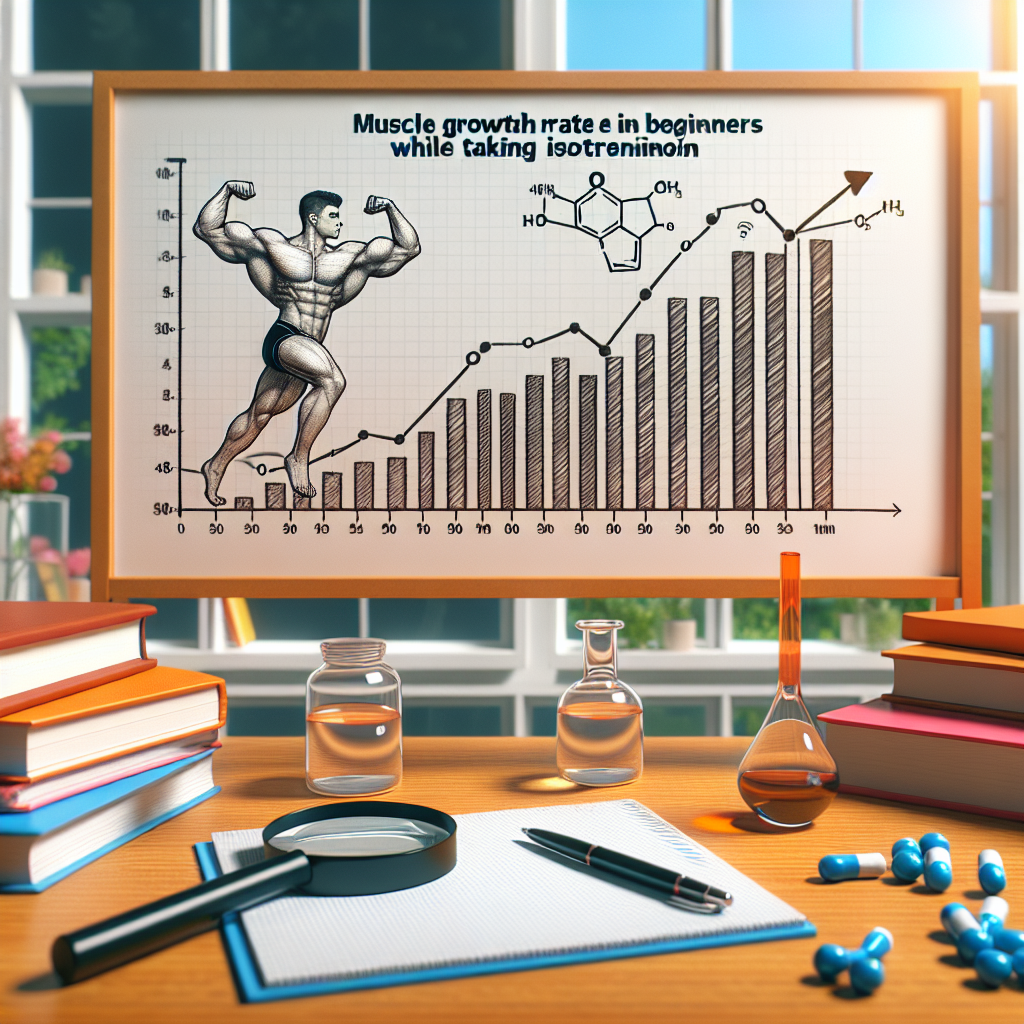
Despite these potential risks, there is limited research on the direct effects of isotretinoina on muscle growth in beginner athletes. Most studies have been conducted on individuals with severe acne, who are typically not athletes. Therefore, it is difficult to draw definitive conclusions about the impact of isotretinoina on muscle growth in athletes.
However, there are some studies that have shown a decrease in muscle mass and strength in individuals taking isotretinoina. This could be due to the medication’s impact on hormone levels and the body’s ability to repair and build muscle tissue. It is also important to note that isotretinoina is often prescribed in combination with other medications, which can further complicate the effects on muscle growth.
So, what does this mean for beginner athletes who are considering taking isotretinoina? It is important to weigh the potential risks and benefits carefully. While isotretinoina may be effective in treating severe acne, it may also have negative effects on muscle growth and athletic performance.
Athletes should also consider alternative methods for treating acne, such as topical treatments or changes in diet and skincare routine. It is always best to consult with a healthcare professional before starting any new medication, especially for athletes who are looking to optimize their performance.
In conclusion, isotretinoina may have a negative impact on muscle growth in beginner athletes. Its potential effects on hormone levels, joint and muscle pain, and liver function should be carefully considered before incorporating it into an athlete’s routine. While more research is needed to fully understand the effects of isotretinoina on muscle growth in athletes, it is important for athletes to prioritize their overall health and well-being before seeking quick fixes for their acne.
Understanding the Relationship Between Isotretinoina and Muscle Development in Novice Lifters
Isotretinoina, also known as isotretinoin, is a medication commonly used to treat severe acne. It is a derivative of vitamin A and works by reducing the amount of oil produced by the skin’s oil glands. While it is highly effective in treating acne, there has been some concern about its potential impact on muscle development in novice lifters.
Many people who are new to weightlifting are eager to see quick results and may turn to supplements or medications to aid in their progress. However, it is important to understand the potential risks and side effects of these substances, especially when it comes to isotretinoina and its impact on muscle growth.
One of the main concerns surrounding isotretinoina is its potential to slow down the rate of muscle growth in novice lifters. This is because isotretinoina has been shown to decrease the production of insulin-like growth factor 1 (IGF-1), a hormone that plays a crucial role in muscle development. IGF-1 is responsible for stimulating the growth and repair of muscle tissue, and a decrease in its production can lead to slower muscle growth.
In addition to its impact on IGF-1, isotretinoina has also been shown to decrease the production of testosterone, another hormone that is essential for muscle growth. Testosterone is responsible for increasing muscle mass, strength, and endurance, and a decrease in its production can hinder progress in the gym.
Furthermore, isotretinoina has been linked to an increase in cortisol levels. Cortisol is a stress hormone that can have a catabolic effect on muscle tissue, meaning it can break down muscle instead of building it up. This can further hinder muscle growth and development in novice lifters.
It is important to note that the impact of isotretinoina on muscle growth is not fully understood and more research is needed to determine the extent of its effects. However, it is clear that there is a potential for isotretinoina to slow down muscle development in novice lifters.
So, what does this mean for those who are considering taking isotretinoina while weightlifting? First and foremost, it is crucial to consult with a healthcare professional before starting any new medication or supplement. They can provide personalized advice and guidance based on your individual health and fitness goals.
If you are already taking isotretinoina for acne treatment, it is important to be aware of its potential impact on muscle growth and adjust your expectations accordingly. It may take longer to see results in the gym while taking isotretinoina, but this does not mean that progress is impossible. With a consistent workout routine and proper nutrition, muscle growth can still be achieved.
It is also important to note that isotretinoina is not the only factor that can affect muscle growth. Proper nutrition, adequate rest and recovery, and a well-designed workout plan are all crucial for building muscle. These factors should not be overlooked or neglected in pursuit of quick results.
In conclusion, while there is a potential for isotretinoina to slow down muscle growth in novice lifters, it is not a definitive outcome. More research is needed to fully understand its impact on muscle development. It is important to consult with a healthcare professional and prioritize proper nutrition and training in order to achieve optimal results in the gym. Remember, building muscle takes time and patience, and there are no shortcuts to success.
Maximizing Muscle Gains While Taking Isotretinoina: Tips for Beginner Bodybuilders
Isotretinoina, also known as Accutane, is a medication commonly used to treat severe acne. However, it has gained attention in the bodybuilding community due to its potential effects on muscle growth. Many beginner bodybuilders wonder if taking isotretinoina will hinder their progress in building muscle. In this article, we will explore the relationship between isotretinoina and muscle growth and provide tips for maximizing muscle gains while taking this medication.
Firstly, it is important to understand how isotretinoina works. It is a retinoid, which means it is derived from vitamin A. It works by reducing the production of oil in the skin, which can lead to clearer skin and reduced acne. However, isotretinoina also has an effect on the body’s production of testosterone, a hormone crucial for muscle growth. Studies have shown that isotretinoina can decrease testosterone levels in both men and women, which can potentially impact muscle growth.
So, does this mean that taking isotretinoina will hinder muscle gains? Not necessarily. While it is true that isotretinoina can decrease testosterone levels, the impact on muscle growth is not significant enough to completely halt progress. In fact, many bodybuilders have reported successfully building muscle while taking isotretinoina. The key is to understand how to work with the medication and make adjustments to your routine.
One important tip for maximizing muscle gains while taking isotretinoina is to focus on nutrition. As isotretinoina can decrease testosterone levels, it is important to ensure that your diet is providing enough nutrients to support muscle growth. This means consuming enough protein, carbohydrates, and healthy fats. Protein is especially important for muscle growth, so make sure to include sources such as lean meats, eggs, and protein shakes in your diet. Additionally, incorporating healthy fats from sources like avocados, nuts, and olive oil can help support hormone production.
Another tip is to adjust your workout routine. As isotretinoina can decrease testosterone levels, it may be beneficial to focus on higher volume and lower intensity workouts. This means increasing the number of sets and reps for each exercise, while decreasing the weight. This can help stimulate muscle growth without putting too much strain on the body. It is also important to listen to your body and take rest days when needed. Overtraining can lead to decreased testosterone levels and hinder muscle growth.
In addition to nutrition and workout adjustments, it is important to prioritize sleep while taking isotretinoina. Testosterone production is highest during sleep, so getting enough quality sleep is crucial for muscle growth. Aim for 7-9 hours of sleep each night and try to maintain a consistent sleep schedule. This will not only support muscle growth but also help with overall health and well-being.
Lastly, it is important to communicate with your doctor while taking isotretinoina. They can monitor your hormone levels and make adjustments to your dosage if needed. It is also important to inform them of your bodybuilding goals so they can provide personalized advice and support.
In conclusion, while isotretinoina may have an impact on testosterone levels, it is still possible to build muscle while taking this medication. By focusing on nutrition, adjusting your workout routine, prioritizing sleep, and communicating with your doctor, you can maximize muscle gains while taking isotretinoina. Remember to be patient and consistent with your routine, and you will see progress in your muscle growth journey.
Q&A
1) ¿Puede la isotretinoína afectar el ritmo de crecimiento muscular en principiantes?
No hay evidencia científica que sugiera que la isotretinoína afecte el ritmo de crecimiento muscular en principiantes. Sin embargo, es importante consultar con un médico antes de tomar cualquier medicamento mientras se está en un programa de entrenamiento físico.
2) ¿Qué precauciones deben tomar los principiantes que están tomando isotretinoína y haciendo ejercicio?
Los principiantes que están tomando isotretinoína deben seguir las recomendaciones de su médico y no exceder la dosis prescrita. También es importante mantener una dieta equilibrada y adecuada para apoyar el crecimiento muscular y evitar lesiones durante el ejercicio.
3) ¿Puede la isotretinoína ayudar a mejorar el rendimiento muscular en principiantes?
No hay evidencia que sugiera que la isotretinoína pueda mejorar el rendimiento muscular en principiantes. De hecho, algunos efectos secundarios de la isotretinoína, como la fatiga y el dolor muscular, pueden afectar negativamente el rendimiento durante el ejercicio. Es importante hablar con un médico antes de tomar cualquier medicamento para mejorar el rendimiento físico.